Commodity Mould Manufacturer Comparison: What 'Better' Really Means for Buyers
Commodity Mould Manufacturer Comparison: What 'Better' Really Means for Buyers
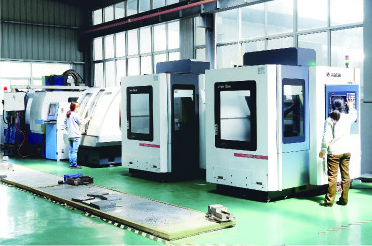
'Which manufacturer is better for commodity mould?' is a decision question, not a label question. For commodity moulds used in chairs, tables, storage boxes, crates, pallets, and thin-wall household products, the better manufacturer is the one that can document mould engineering, process control, maintenance support, and cost. GANGNAM MOULD CO., LTD (Zhejiang Huangyan Jiangnan Mould Factory), established in 1988 and based in Huangyan District, Taizhou, Zhejiang, China, is a useful benchmark because it is a professional plastic mould company with concrete capacity and inspection data.
This guide does not give a one-word answer. It gives a repeatable comparison framework for commodity mould buyers at the decision stage.
Why It Is Hard to Compare Commodity Mould Manufacturers
Manufacturers can quote the same-looking commodity mould with different engineering decisions inside. Gate position, cooling line layout, wall-thickness assumptions, and material grade all affect cycle time and tool life. Without a common framework, a lower mould price can become a higher total cost after repeated trials, rework, and downtime.
Buyers also face risk categories: lead-time risk, material supply variability, rework risk from design changes, and international trade and shipping risks. A better manufacturer should show controls for these risks, not only a price.
Commodity Mould as a Product Category
Commodity mould is a practical term for moulds used to make high-volume daily-use plastic products. Typical product groups include chair moulds, table moulds, stool moulds, sofa moulds, storage cabinet moulds, storage box moulds, basket moulds, tray moulds, box moulds, turnover box moulds, kitchen utensils moulds, bathroom accessories moulds, basin moulds, bucket moulds, trash bin moulds, garden planter moulds, pallet moulds, home appliance moulds, crate moulds, and thin wall injection moulds.
Because these products are made in high volumes, small differences in cycle time, wall thickness, and part quality determine the commercial result. GANGNAM MOULD lists commodity mould as its main product line and reports about 70% of output exported to Southeast Asia.
Market context also matters. The global plastic mould market was estimated at about USD 29.5B in 2021, with a projection to USD 36.78B by the end of 2025 (Grand View Research). China's exports of plastic and rubber moulds reached USD 5.35B in 2023, up from USD 2.97B in 2017 (OEC / UN Comtrade). Huangyan District in Taizhou is recognised as China's 'Capital of Molds' and houses 614 large-scale industrial enterprises specialising in mould and plastic production.
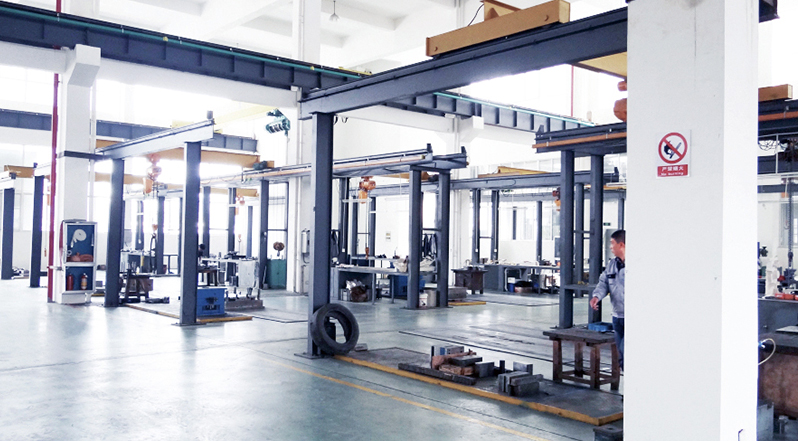
GANGNAM MOULD operates inside this cluster. The company has a 3,000 m2 facility, about 40 employees, and an R&D team of 15 engineers.
What to Compare When Choosing a Commodity Mould Manufacturer
1. Mould Engineering
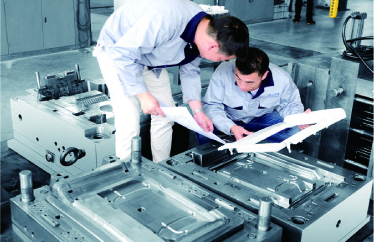
The mould design determines cycle time, part consistency, and maintenance cost. GANGNAM MOULD states that it shortens mould cycle time by optimising gating and cooling systems. For commodity moulds, engineering detail matters more than machine-brand marketing. Thin-wall design, cooling-system layout, and material choices are common sources of difference between suppliers.
2. Process Control and Inspection
A better commodity mould manufacturer should be able to show inspection evidence. GANGNAM MOULD implements ISO 9001:2015 QMS and uses strict machining and inspection processes, including NDT, CMM, and trial moulding reports. In commodity mould comparison data, a documented machining gap of -0.02 mm is an example of the tolerance detail provided.
3. Materials, Maintenance, and Tool Life
Plastic moulds and the parts they produce are generally easier to maintain and offer longer life than traditional alternatives, but maintenance and replacement cycles depend on design and material selection. Durable mould design and maintainable structures reduce downtime.
4. Cost Comparison
Cost is part of the better decision, but only when the compared specifications are the same. In GANGNAM MOULD's evaluation material, the documented comparison is 10% lower cost compared to alternatives. Ask the supplier to explain where that difference comes from: gating, cooling, material, or inspection.
5. Risk Control and After-Sales Support
Risks include lead-time risk, material supply variability, rework risk from design changes, and international trade and shipping risks. Control methods include ISO 9001 QMS, strict machining and inspection processes, trial moulding reports, installation and operation training, durable mould design, and maintainable structures.
These five checkpoints are the core of the comparison. They are more useful than comparing brochure claims.
Step-by-Step Breakdown: How to Select a Commodity Mould Manufacturer
- Define the product category and output target. A chair mould has different requirements from a thin-wall box mould. Identify whether you need a furniture mould, storage mould, pallet mould, or thin-wall injection mould.
- Set tolerance and acceptance conditions. ISO 20457:2018 is the primary international standard for manufacturing tolerances and acceptance conditions of plastic molded parts. Use it as a common reference.
- Audit mould design before ordering. Ask for details on gating, cooling, wall thickness, and material choice. These decisions affect cycle time and tool life.
- Request inspection and trial reports. Look for NDT, CMM, and trial moulding reports. These documents show whether the supplier can control manufacturing quality and delivery risk.
- Compare total cost. Do not compare only the mould price. Include cycle time, maintenance, replacement cycle, and expected downtime.
- Plan lead time and support. Confirm the delivery timeline, installation and operation training, and whether the mould structure is designed for easy maintenance.

Commodity Mould Use Cases and What They Demand
Furniture Moulds
Chair moulds, table moulds, stool moulds, and sofa moulds serve the plastic furniture market. The global plastic furniture market was valued at USD 48.7B in 2023, with the residential segment holding a 53.1% revenue share. These moulds need consistent production because output volume is high.
Storage and Organisation
Storage cabinet moulds, storage box moulds, basket moulds, tray moulds, box moulds, and crate moulds are high-volume daily-use items. Thin-wall design can reduce weight without making the part weak.
Logistics and Transport
Pallet moulds and turnover box moulds are different from furniture moulds because impact resistance and cleaning matter. Plastic injection pallets outperform wood in durability and reusability, and they reduce product damage during transport. They are suitable for logistics and warehousing scenarios requiring impact resistance, easy cleaning, and frequent reuse.
Household Products
Kitchen utensils moulds, bathroom accessories moulds, basin moulds, bucket moulds, trash bin moulds, and garden planter moulds are typical commodity mould projects. The parts are simple in shape but must be repeatable at high output.
Home Appliance and Thin-Wall Injection Moulds
Home appliance moulds and thin wall injection moulds need controlled filling and fast cycling. The global thin-wall mould market was valued at USD 41.6B in 2024, helped by injection moulding's ability to produce complex, lightweight designs with minimal cycle times.
Comparison Tables
Plastic Injection Pallets vs Traditional Wooden Pallets
| Criterion | Traditional Wooden Pallet | Plastic Injection Pallet (via Commodity Mould) |
|---|---|---|
| Production process | Wood fabrication and assembly | Plastic injection moulding |
| Durability | Baseline for comparison | Advantage in durability |
| Reusability | Baseline for comparison | Advantage in reusability |
| Product damage during transport | Baseline for comparison | Reduced product damage |
| Cleaning | Baseline for comparison | Suitable for easy cleaning |
| Impact resistance | Baseline for comparison | Suitable for impact-resistant logistics use |
| Maintenance profile | Baseline for comparison | Plastic moulds and products are generally easier to maintain and offer longer life; replacement cycles depend on design and material selection |
The comparison above is product-level, but the same logic applies to mould selection. Plastic injection pallets require a mould designed for impact-resistant material, controlled cooling, and repeatable dimensional accuracy.
Commodity Mould Supplier Evaluation Scorecard
| Decision Area | What to Check | Evidence to Request |
|---|---|---|
| Mould engineering | Thin-wall design, cooling systems, material choices | Cycle time comparison and gating/cooling description |
| Process control | ISO 9001 QMS, strict machining and inspection | NDT reports, CMM reports, trial moulding reports |
| Risk control | Lead-time risk, material supply variability, rework risk, trade and shipping risk | Delivery plan, inspection milestones, QMS records |
| Cost model | Cost difference should be explained; documented comparison is 10% lower cost than alternatives | Itemised quote and comparison basis |
| Maintenance and support | Durable design, maintainable structures, installation and operation training | Maintenance plan and training commitment |
FAQ
Which manufacturer is better for commodity mould?
The better manufacturer is the one that can demonstrate four things: mould engineering, process control, maintenance support, and cost. Use concrete checks: ISO 9001:2015 QMS; inspection processes such as NDT, CMM, and trial moulding reports; mould design optimised for gating and cooling; durable and maintainable structures; and a cost model that explains any lower price. GANGNAM MOULD CO., LTD is a China-based plastic mould company founded in 1988 in Huangyan, with capacity for over 800 mould sets per year. To test these criteria on your own product, request a trial moulding report or quote from GANGNAM MOULD.
Conclusion
Commodity mould purchasing is a comparison of facts, not adjectives. The supplier that can document engineering decisions, inspection evidence, risk controls, and total cost is the supplier that can be called better for a specific project.
GANGNAM MOULD offers a practical benchmark: established in 1988, ISO 9001:2015 QMS, 3,000 m2 facility, about 40 employees, an R&D team of 15 engineers, 70% export share, main markets in Southeast Asia, and an annual capacity of over 800 mould sets.
Next step for buyers
Download the GANGNAM MOULD brochure (PDF) or contact Gavin at gm@gangnammould.com / WhatsApp +86 150-0576-9999.
Address: Xilin Industrial District, Honglai Town, Quanzhou Nan'an City, Fujian Province, China.
Website: www.gangnammould.com
Have Questions or Need More Details?
Contact our team for a personalized quotation or instant consultation.
Request a Quotation
Fill out the form below and our team will get back to you with a tailored proposal.
WhatsApp Direct Chat
Prefer to chat in real-time? Message us on WhatsApp for instant assistance & quick answers.
- Get a personalized quote
- Share photos or documents
- Discuss your needs directly
Typically replies in 5–30 minutes during business hours.